
Conservation at Ara Roa: A Landscape Coming Back to Life
There is something special about waking up at Ara Roa and hearing the native forest come alive.
Here in Whangārei Heads, the landscape is more than beautiful scenery. The harbour, beaches, volcanic peaks and native bush provide habitat for an extraordinary range of wildlife — including the growing population of brown kiwi that call this peninsula home.
At Ara Roa, we feel incredibly fortunate to be part of this environment, and proud to support the conservation work happening throughout our local community.
Check availability
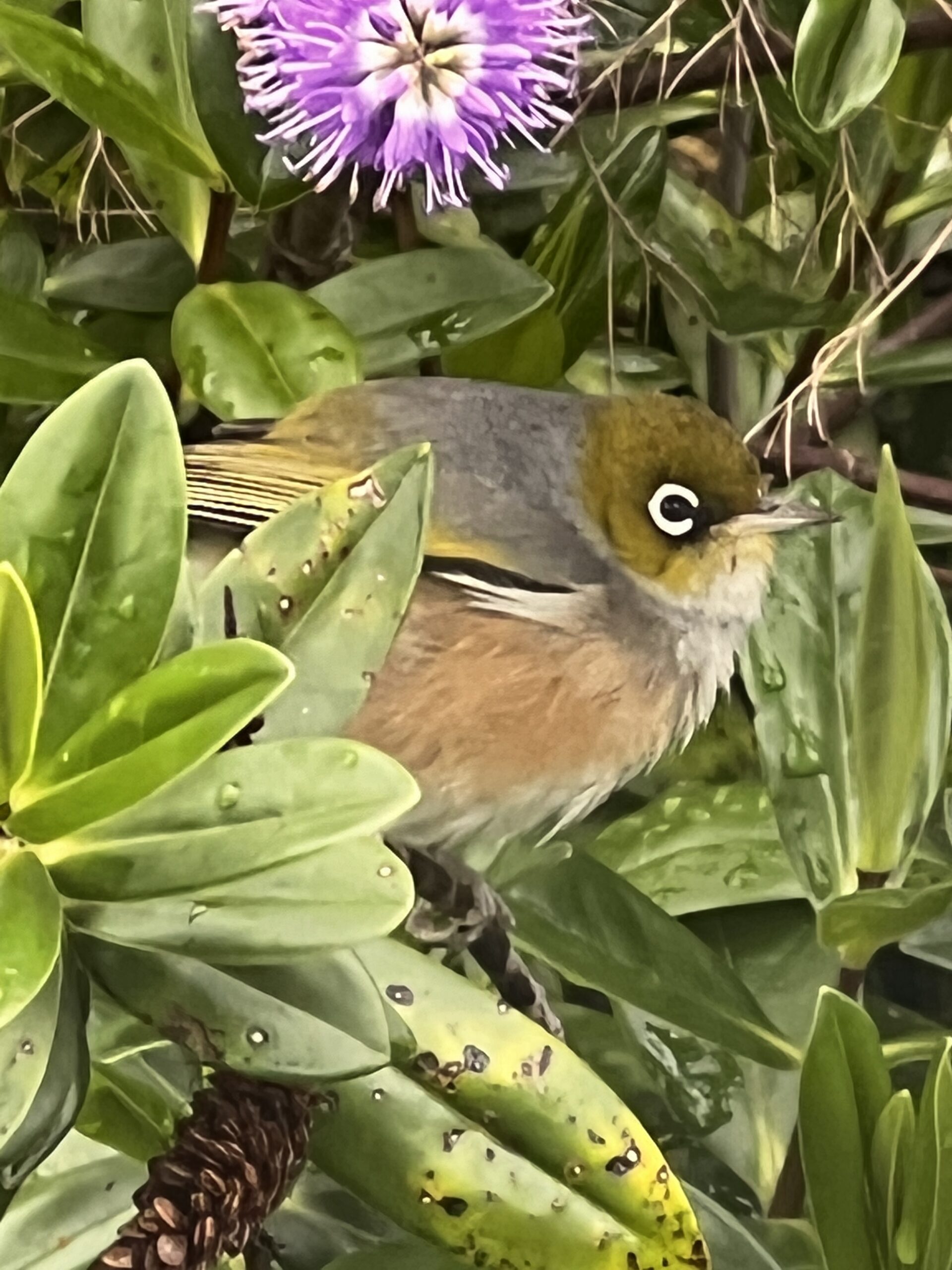
Waxeye also known as Whiteeye or Pihipihi
A landscape coming back to life
Whangārei Heads is an inspiring example of what can happen when a community works together for nature.
Years of pest control by local conservation groups, landowners and volunteers have helped native wildlife recover. The results are particularly impressive for kiwi. The Whangārei Heads population has grown from around 80 birds when the local recovery effort began to an estimated 1,900+ kiwi today.
Groups such as Backyard Kiwi have played an important role through predator control, monitoring, community engagement and kiwi releases. Their work, alongside that of iwi, hapū, landowners and volunteers, shows what long-term community conservation can achieve.
And now there is an even bigger goal.
Check availability
Possum-Free Whangārei Heads
Ara Roa sits within a peninsula at the heart of the Possum-Free Whangārei Heads project.
Led by Predator Free Whangārei, the project is working towards eliminating possums from more than 9,000 hectares of the Whangārei Heads peninsula. The vision is to create one of New Zealand’s first possum-free mainland zones.
Possums are an introduced pest that can put significant pressure on native ecosystems. They browse native vegetation and eat flowers, fruit and other plant material, while also preying on eggs and native wildlife.
Removing them gives our native forests and the species that depend on them a much better chance to thrive.
The geography of Whangārei Heads makes it particularly suited to this ambitious project. Surrounded by coastline and harbour, the peninsula has natural boundaries that can help prevent possums from returning.
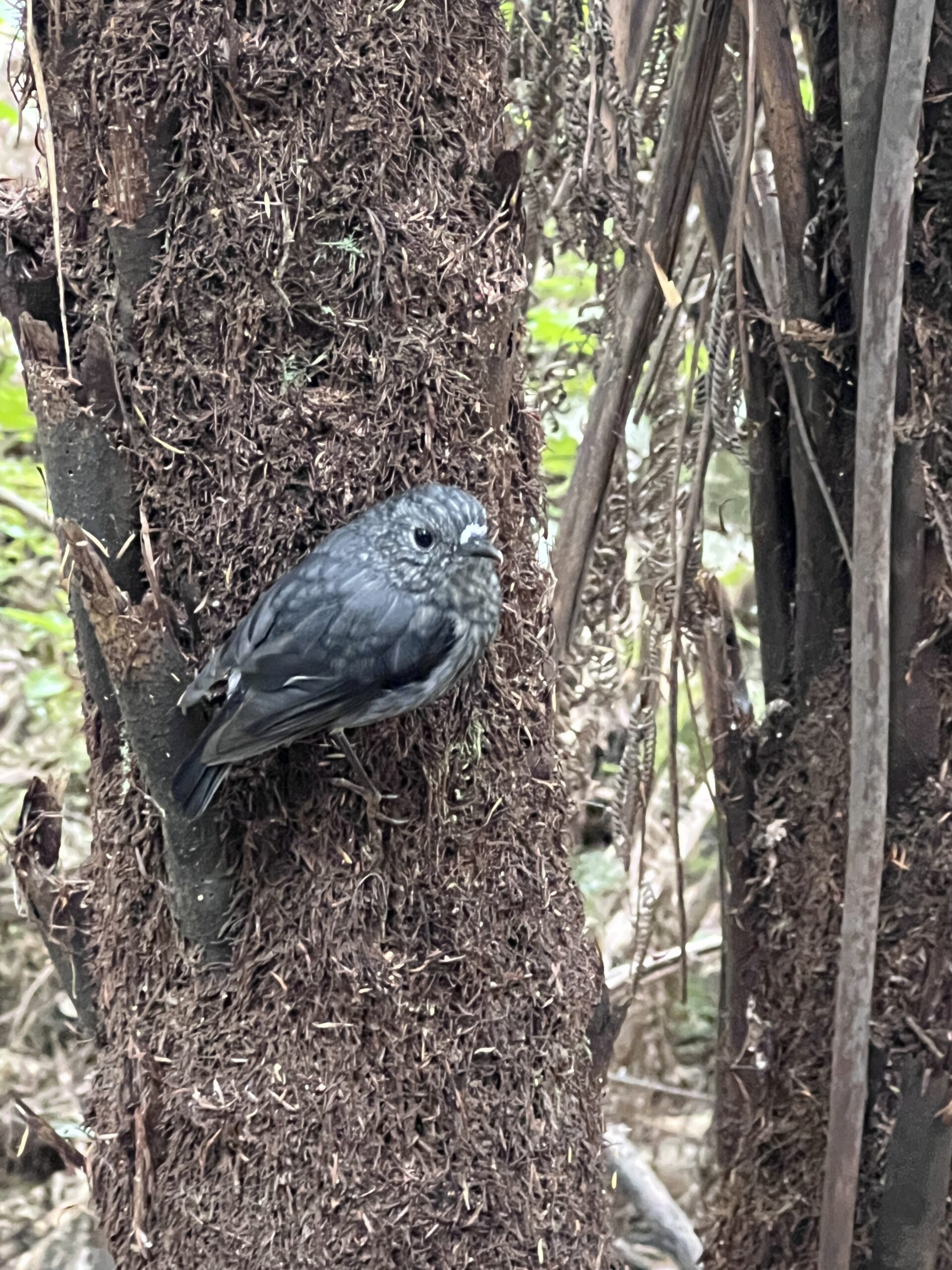
Conservation takes a community
What makes the project so exciting is the scale of the community effort behind it.
Hundreds of landowners, volunteers, iwi and hapū, conservation organisations and councils are involved. According to the latest figures from Predator Free Whangārei, more than 5,100 hectares are now in ‘Defend’ mode, with another 1,800 hectares in the mop-up phase.
Thousands of traps, toxin stations and trail cameras are being used, alongside newer technology such as thermal drones and conservation dogs to help find the last remaining possums.
It is a huge undertaking — but one built on decades of local conservation work.
Experience conservation at Ara Roa
For guests at Ara Roa, conservation isn’t something that happens somewhere else. It is part of the experience of being here.
You might hear tūī calling from the trees, see kererū flying overhead or, if you’re lucky, encounter a kiwi after dark. The birdlife around the peninsula is a wonderful reminder that conservation can change what we experience in our own backyards.
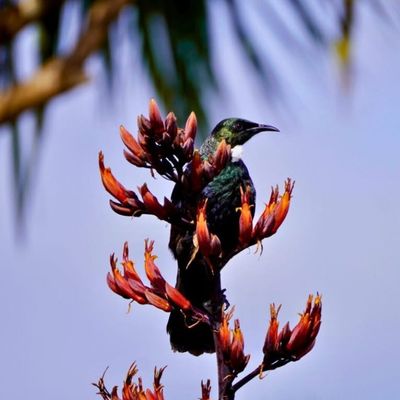
Tui feeding on flax flowers at Te Huia
The Te Araroa trail also passes through this remarkable landscape, giving walkers the opportunity to experience the forests, farmland and coastline of Whangārei Heads firsthand.
Visitors can play their part too — by respecting wildlife, staying on tracks, taking rubbish with them and following local biosecurity advice.
A future worth protecting
At Ara Roa, we believe conservation is about more than protecting a beautiful landscape. It is about helping nature thrive and making sure future generations can experience the same sense of wonder.
The vision of a possum-free Whangārei Heads is ambitious. But the recovery of kiwi and the progress already being made show what is possible when a community works together.
We are proud to be part of this special place — and to share it with our guests.
Come and experience Whangārei Heads for yourself, and discover a landscape where nature is being given the chance to flourish.